
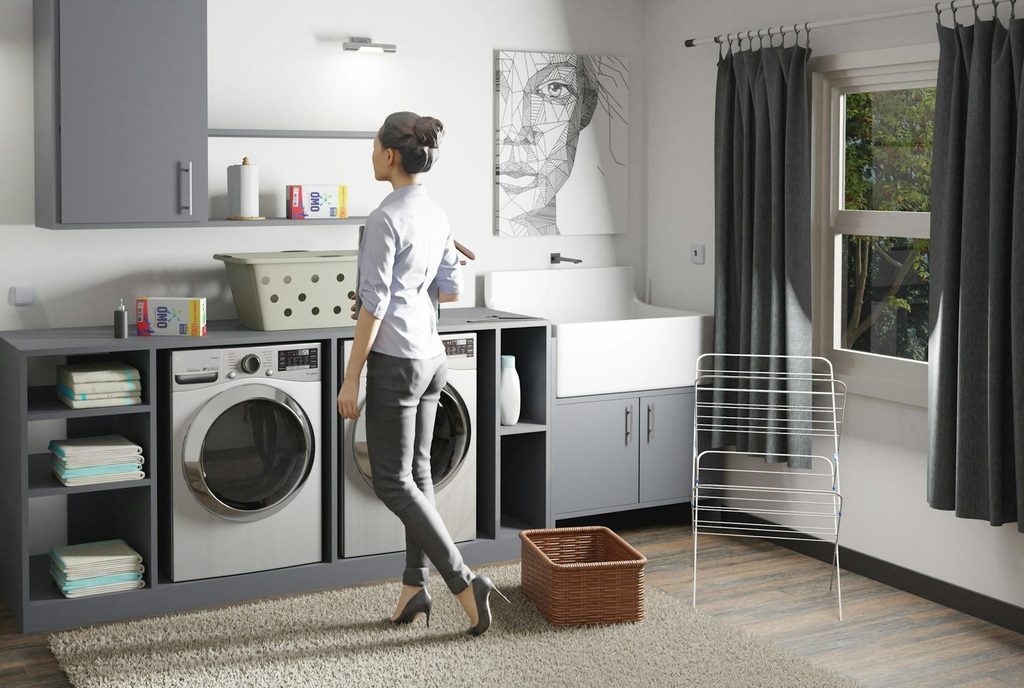
A utility closet often becomes the place where everything without a clear home ends up. Spare cleaning supplies sit beside old paint cans, boxes block the door, and the heating or cooling equipment gradually disappears behind household storage.
Organizing this space does more than make it look better. It helps you reach the air filter, find service information and notice a problem before it becomes harder to address. A useful reset begins with a simple question: what needs to remain accessible for the equipment to be maintained?
Empty the Space and Identify What Belongs There
Start by removing loose items so you can see the floor, walls and equipment clearly. Sort what you find into three groups: items that belong in the space, items that need another storage location and things you no longer need.
Keep the purpose of the closet in mind. It may contain a heating or cooling unit, a water heater or electrical equipment, each of which needs appropriate access. Do not assume an empty patch of floor is available for storage simply because a box fits there.
This is also an opportunity to look for signs that were hidden by clutter. Water marks, unusual dust buildup or damaged insulation deserve attention. If you notice a leak or anything concerning around the equipment, leave the repair to a qualified professional.
Make the Filter Easy to Find and Change
An air filter is easy to forget when reaching it means moving a stack of boxes. Find the filter location and make sure you can access it without dismantling your storage arrangement each time.
If you keep replacement filters at home, check the size printed on the existing filter or in the equipment documentation before buying more. Store replacements in their packaging somewhere clean and dry, where they will not be crushed. A label on the storage shelf can save another search when it is time for a change.
Add a reminder to a calendar or household maintenance app to check the filter. The right replacement schedule depends on the equipment, filter and conditions in the home, so follow the manufacturer’s instructions rather than relying on a universal date.
Know When Organization Reveals a Service Issue
Clearing the closet may make it easier to notice that a system is not working as expected. A room that remains uncomfortable, an unusual sound or a recurring moisture problem calls for more than a better storage bin.
Write down what you have observed before requesting help. Note when the issue occurs, which rooms are affected and whether the filter has recently been changed. These details can make the first conversation with a service provider more useful.
For homeowners in Pooler and the Savannah area, hvac pooler ga offers a way to request an estimate for local air conditioning, heating or maintenance work. Keeping the service discussion separate from the closet cleanout helps you address the actual equipment problem while continuing to improve the space around it.
Give Maintenance Records a Permanent Place
Once the equipment is accessible, create one place for its paperwork. Keep the model number, manuals, warranty information, service invoices and filter size together in a folder or digital record.
The U.S. Department of Energy recommends cleaning or replacing filters in furnaces, air conditioners and heat pumps, as well as arranging annual professional maintenance for furnaces or heat pumps. Keeping these tasks in your household records makes it easier to see what has been done and what is due next.
A record does not need to be elaborate. A short note stating when a filter was changed, what a technician checked and when a follow-up is due can be enough. If you sell the home later, an organized service history may also help you answer a buyer’s questions about the system.
Store Supplies Without Crowding Equipment
Shelves and wall-mounted organizers can be useful in a utility area, but their placement needs thought. Keep the routes to equipment, controls, filters and doors clear, and follow the manufacturer’s instructions for required access and clearance.
Avoid stacking items against the unit or storing them where they could fall onto it. Cleaning products, paint and other chemicals should be stored according to their labels, with extra care around heat sources or equipment that uses fuel. When in doubt about whether something can safely be kept in the closet, choose another location.
Group the items that genuinely belong there. A small container for spare filters and another for maintenance paperwork will usually be more useful than filling every available shelf with unrelated household supplies.
Check the Room Beyond the Closet
A utility closet can be perfectly organized while the rest of the home still makes heating and cooling less convenient. Walk through the rooms and check whether furniture, rugs or stored items are covering accessible vents or making it difficult to reach a thermostat.
This is a practical layout check, not a reason to rearrange the whole house. Moving a bookcase or basket may make a vent easier to clean and help you notice whether a room’s comfort problem persists. Keep vents clean using methods appropriate for their surfaces, without pushing debris into the openings.
Pay attention to recurring patterns as you go. If one room consistently feels different from the others after obvious obstructions have been removed, make a note of it for a future service visit rather than repeatedly changing the thermostat.
Build the Reset Into a Seasonal Routine
The closet will not stay organized if it becomes the default drop-off point again. Give every item you removed a proper home and make a quick review part of your seasonal household routine.
A change of season is a convenient time to check the filter, confirm that equipment remains accessible and review any service reminders. It is also a chance to clear out the supplies or boxes that have slowly returned. This brief check is easier than repeating a complete cleanout every year.
If several people share the home, show them where the filter and records are kept. A simple system works best when anyone can find essential information without searching through the closet or guessing which box contains it.
The finished space does not have to resemble a carefully styled pantry. Its job is to keep equipment accessible, supplies easy to locate and maintenance simple to remember. With less clutter in the way, the utility closet can finally serve the household purpose it was meant to serve.