
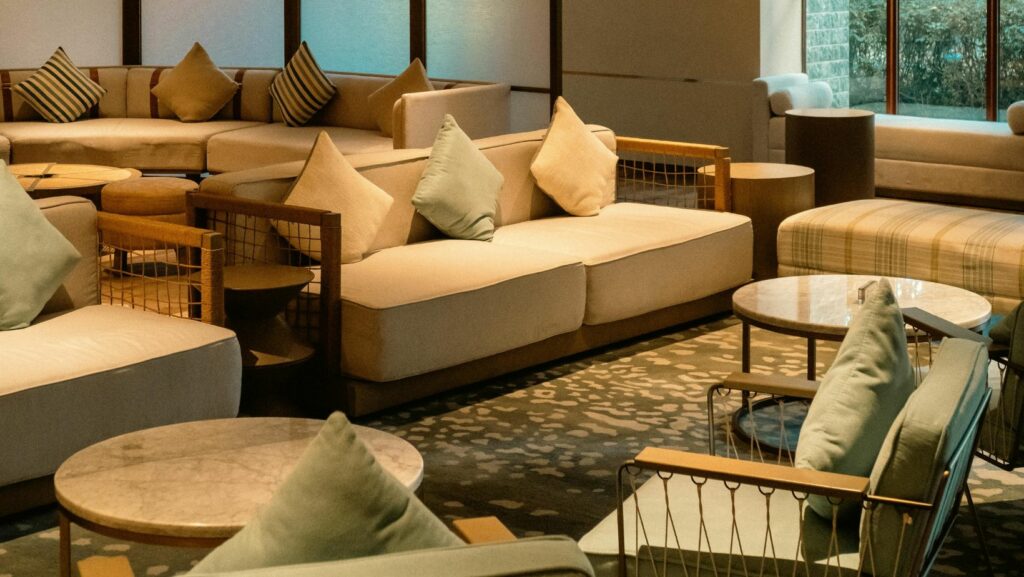
Banquette seating has long been a defining feature of restaurant interiors, yet its role has expanded far beyond that of a practical seating solution. In contemporary dining environments, banquettes function as architectural elements that shape spatial rhythm, organize movement, and influence how guests experience the act of dining itself.
Rather than filling space, banquettes structure it. Their presence introduces order, continuity, and intention in ways that freestanding seating rarely achieves.
Spatial Efficiency With Purpose
One of the most compelling advantages of banquette seating is its ability to maximize seating capacity without compromising circulation. Fixed seating along walls, windows, or architectural partitions creates clarity in layout and supports efficient service flow. In dense urban restaurants, where every square meter must work hard, this efficiency becomes essential.
Beyond capacity, banquettes provide visual stability. Their linear form anchors the dining room, establishing a consistent edge that allows tables, lighting, and architectural details to breathe. This continuity helps calm otherwise busy interiors, giving the space a sense of structure and balance.
Comfort Through Continuity
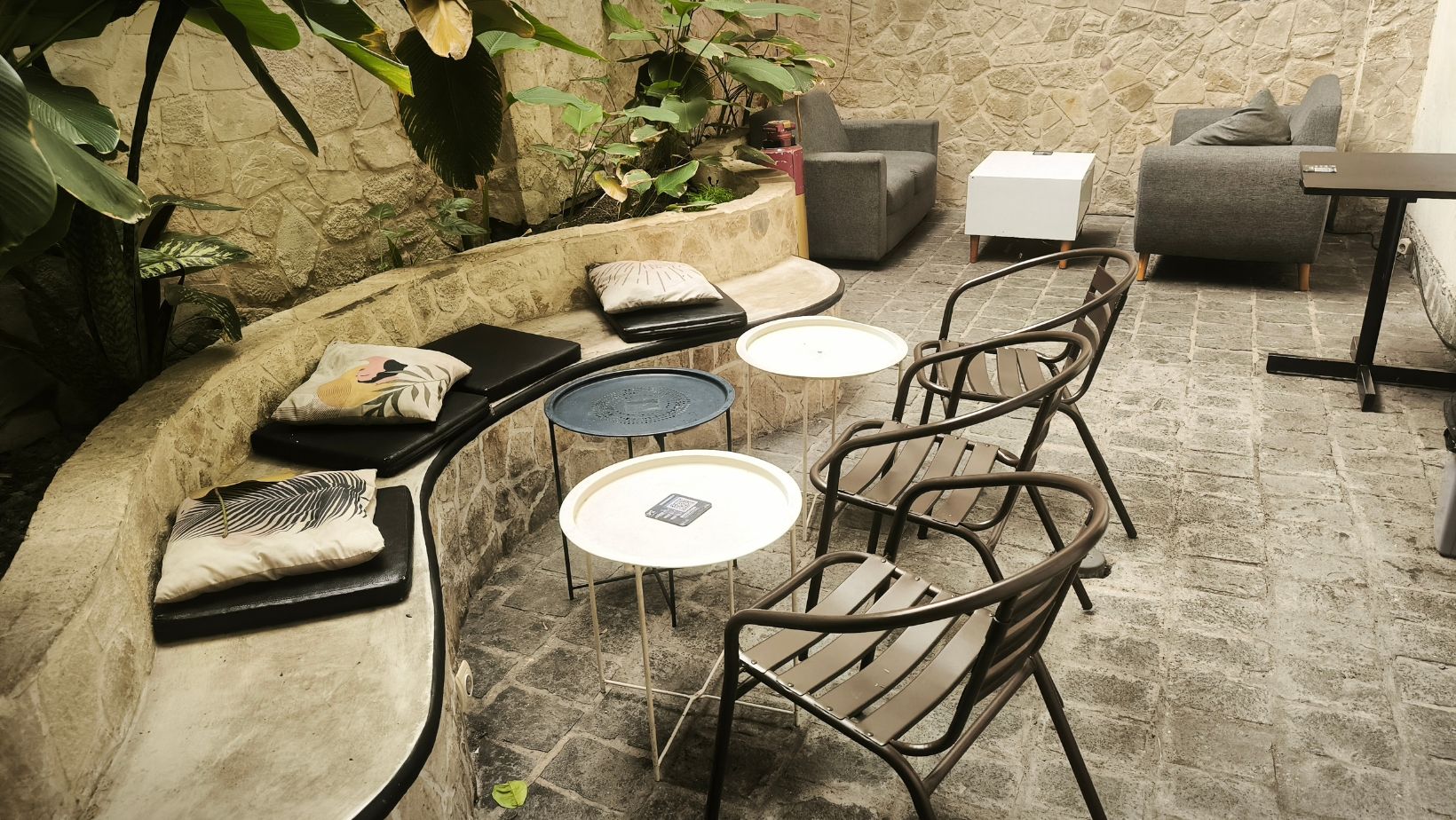
Banquette seating offers a fundamentally different comfort experience than individual chairs. Continuous back support encourages relaxed posture, while upholstered surfaces soften acoustics and contribute to a sense of enclosure. This combination is particularly effective in social dining settings, where guests are encouraged to linger.
Comfort, however, is never accidental. Seat height, cushion depth, and back angle must be carefully calibrated across long seating runs to accommodate a wide range of guests. When these proportions are correct, banquettes support extended dining experiences without fatigue.
Designers often turn to manufacturers such as Walters when specifying banquette seating that must balance comfort, durability, and visual coherence in demanding restaurant environments.
Banquettes as Design Language
Beyond function, banquettes serve as a powerful medium for material expression. Upholstery selection, stitching detail, and silhouette contribute directly to a restaurant’s identity. Whether minimal and tailored or plush and expressive, banquettes often become the most recognizable element of the interior.
When integrated early in the design process, banquettes reinforce brand character rather than merely supporting it. They define zones, frame views, and guide guest movement through the space, becoming part of the architectural language rather than an afterthought.
In contemporary restaurant design, banquette seating represents the intersection of comfort, efficiency, and spatial intent. When executed with care, it elevates the dining experience while quietly shaping how space is used, perceived, and remembered.