
When homeowners embark on renovation projects, much thought is put into finishes, layout, fixtures and surfaces. Building systems that live behind the walls and under the ceilings are rarely considered until they’re impacted by the work being performed.
Ductwork is one of the most renovation-friendly components in the home. This doesn’t mean that the duct system benefits from remodeling or construction work. In fact, ductwork often suffers from inattention during renovation, leading to comfort problems and compromised energy performance and indoor environmental quality that can last long after contractors have moved on.
In this article:
- How renovation work interacts with duct systems
- Construction dust and system performance
- Duct materials and renovation sensitivity
- Protecting ductwork during active renovation
- When duct cleaning may be appropriate
- Post-renovation system checks
- Integrating ductwork into renovation planning
- Ductwork and renovation FAQ
How Renovation Work Interacts With Duct Systems
Ideally, ductwork is a sealed distribution system. Once renovation starts disrupting that system, contaminants can find their way inside.
Whether sanding floors, demolishing walls or cutting into drywall, construction work stirs up fine particulates that can travel through registers and return grilles. Even if HVAC equipment is turned off, pressure imbalances between rooms can force airborne debris through the duct system.
According to Energy Star, approximately 20 to 30 percent of conditioned air moving through duct systems is already lost due to leaks and poor connections. Renovation debris compounds this problem by introducing additional obstructions and contamination.
Renovation projects also involve sequencing. Homes under construction often have areas that are untouched while renovation occurs in other rooms. Depending on the HVAC system design, renovation could accidentally pull dust through duct branches that serve occupied spaces.
Construction Dust and System Performance
Not all dust is created equal. Drywall dust, wood filings from floor sanding, sawdust and even standard household dirt have different properties that affect how they build up inside HVAC systems.
- Drywall dust and other construction debris are extremely fine. This allows particles to lodge deeply within ductwork once inside.
- Regardless of duct material, dust tends to collect on surfaces that contact the air moving through the system.
- Homeowners may notice dust collection after renovations. Left untouched, dust particles can redistribute when systems turn back on.
Once inside ductwork, dust can impact comfort and HVAC system performance. Dust leads to many complaints about indoor air quality following renovations.
Air duct cleaning can help improve indoor air quality by removing particles that accumulate during construction, but it’s not the only solution. Limiting duct exposure to airborne debris during renovation can mitigate these concerns.
Duct Materials and Their Renovation Sensitivity
Duct materials have different properties that can affect how sensitive the system is to construction activities.
- Sheet metal duct systems are fairly robust. Dust from renovation can still collect within these ducts, particularly along seams.
- Flexible duct materials are usually more vulnerable to internal contamination and can be difficult to clean.
- Ductboard-style ducts may absorb particles deep inside the material, causing potential issues with cleanliness down the road.
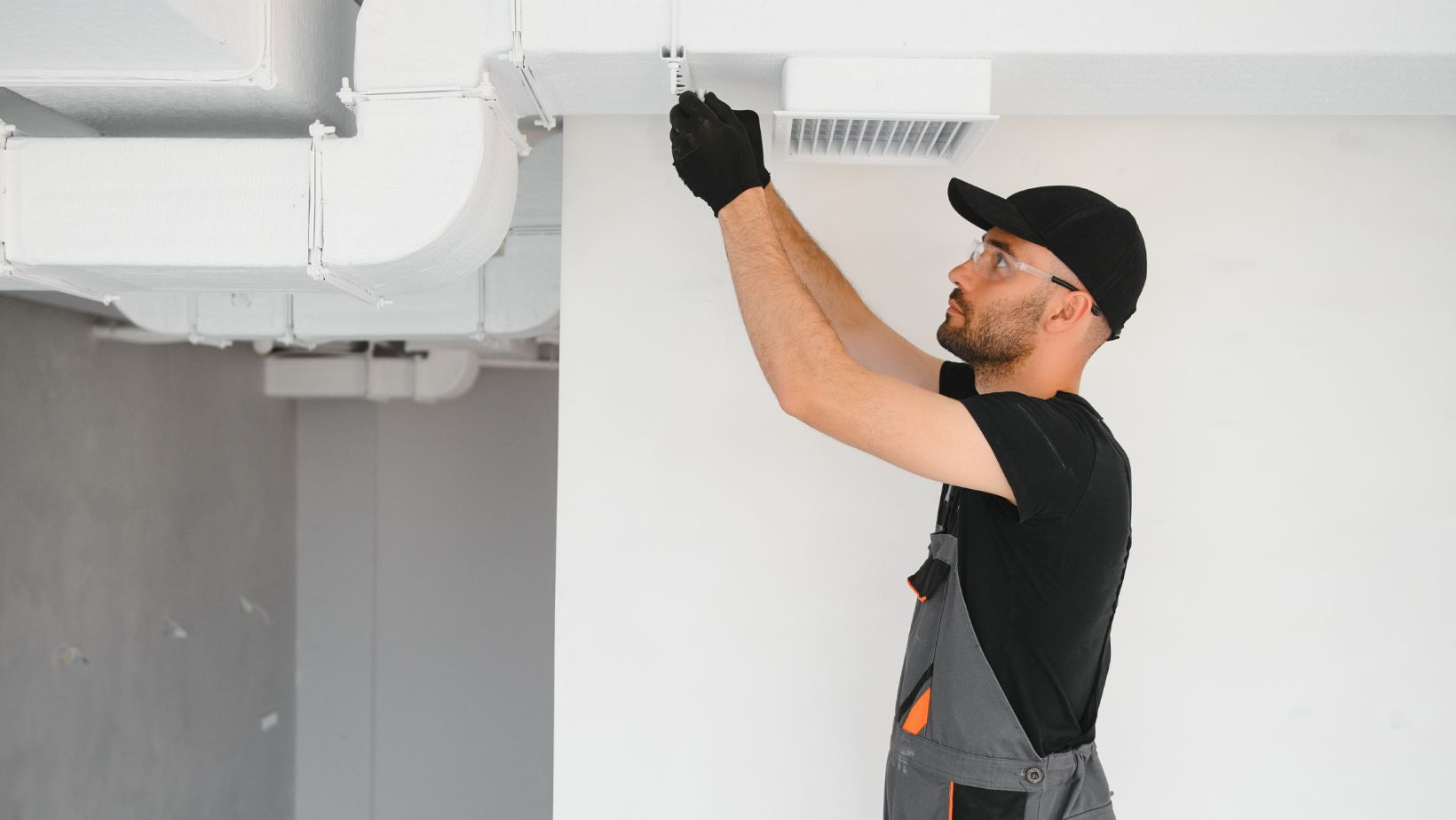
Knowing which duct material is used can help homeowners decide how ductwork should be protected during renovation. It can also provide clues on whether inspection or cleaning is needed after work is complete.
Protecting Ductwork During Active Renovation
Duct protection should occur before renovation work starts. But what happens if dust is already freely floating in the home?
Steps that can be taken during renovation work to limit debris capture by the HVAC system include:
- Cover registers in rooms where work is happening.
- Temporarily isolate work areas from occupied spaces by using barriers.
- Plan HVAC operation so systems are off during demolition and heavy work.
The EPA recommends sealing off supply and return registers during construction and avoiding HVAC operation until dust has been cleaned up.
Some renovations involve removing entire walls and sections of flooring. Talking to contractors about powering down HVAC equipment before activities begin can prevent negative air pressure inside the home.
When Duct Cleaning May Be Appropriate
Every renovation project does not require professional duct cleaning. Whether duct cleaning is warranted depends on the nature of the work being performed and how long dust is allowed to circulate.
Conditions that may benefit from duct inspection or cleaning include:
- Demolition that breaks down walls, floor surfaces and other structural elements affecting multiple rooms.
- Renovation where systems were left on.
- Visible dust or debris noticed coming from registers when work is completed.
- Homeowners notice a reduction in airflow after renovation work.
When in doubt, having a professional take a look is advisable. Certified duct cleaners can target affected areas or branches, rather than cleaning entire systems unnecessarily.
Post-Renovation System Checks
It’s always wise to take a peek at the duct system following renovation work. This doesn’t necessarily require special tools or advanced expertise. Homeowners can:
- Visually inspect accessible ductwork and registers.
- Replace HVAC filters once renovation is complete.
- Ensure airflow feels balanced and registers are outputting air.
Performance changes and excess dust aren’t always obvious after renovations. Changes to airflow and unexpected dust collections could be clues that ductwork was compromised during construction.
Integrating Ductwork Into Renovation Planning
Looking at the bigger picture, ductwork should be considered part of the renovation process. Many remodeling projects affect ceilings, walls and space configurations. These are opportunities to improve how duct systems are routed through the home.
Including the ductwork in renovation can:
- Prevent energy losses through leaky or under-insulated duct runs.
- Improve comfort by balancing airflow to meet the needs of updated spaces.
- Reduce the chance of system disruptions after walls and floors are finished.
This can be particularly helpful for older homes that were built before many of today’s energy standards and expectations.
Conclusion
Ductwork should never be overlooked during renovation projects. While they don’t always see direct damage from construction work, these components can contribute to homeowner comfort long after projects are completed.
Understanding how construction activities impact duct systems allows homeowners to plan accordingly. Simple steps like register protection and system inspection can prevent many issues associated with renovation work.
Ductwork and Renovation FAQ
Does renovation dust damage ductwork?
Fine particles can accumulate inside ducts and HVAC filters. Dust has the potential to reduce airflow long after renovation work is finished. While dust will not permanently damage HVAC systems, exposure during renovation can lead to future performance issues.
Will turning off my HVAC system during renovation damage it?
HVAC systems should be turned off during activities that create large amounts of airborne dust. Leaving registers or returns open can pull dust into the system and cause degradation of system components over time.
Should you always get your ducts cleaned after renovation?
Duct cleaning is not always necessary after renovation work. Professional duct cleaning is only recommended after significant demolition, extended periods with the HVAC system running or when visible dust and airflow changes are present after renovation.
Does ductwork impact indoor air quality after remodeling?
Yes. The condition of duct systems impact how air moves through the home. Protecting ductwork from debris during renovation is one step homeowners can take to help with indoor air quality after construction is complete.