
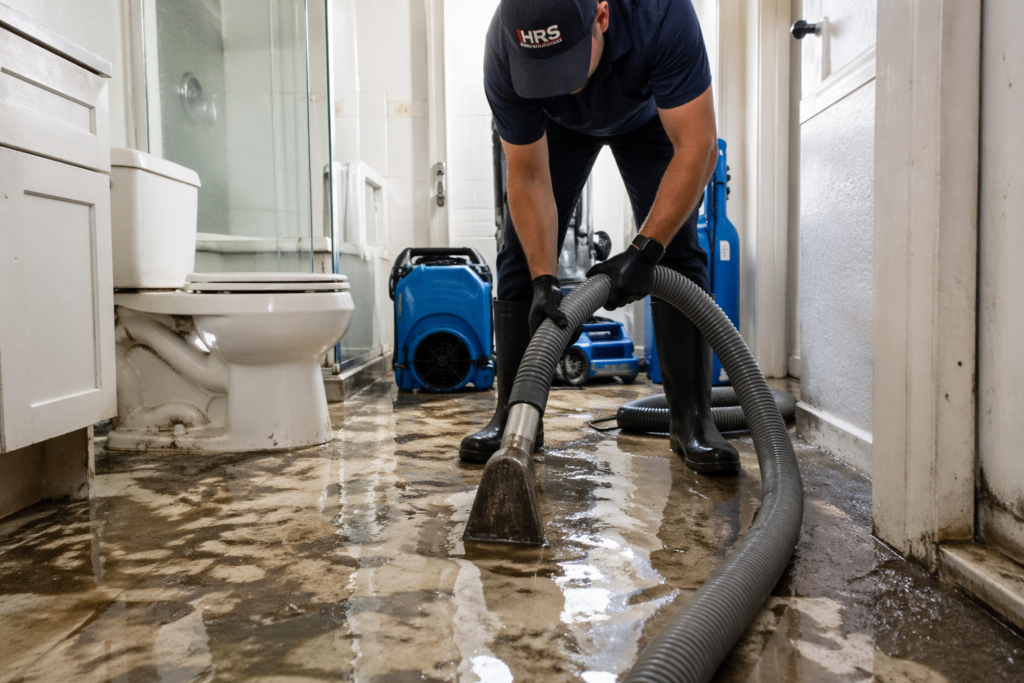
A sewage backup is one of the most unpleasant situations a homeowner can face. It is messy, stressful, and can quickly turn into a serious health hazard. The key is knowing how to respond the right way from the start.
Working with experienced professionals can make the process safer and more manageable. Here is what you need to know to handle a sewage backup properly and protect your home.
Why Sewage Backups Are a Serious Problem
Sewage water is highly contaminated. It often contains bacteria, viruses, and harmful microorganisms that spread quickly through your living space.
The U.S. Environmental Protection Agency highlights that exposure to contaminated water can impact indoor air quality and lead to health risks if not cleaned properly.
Here is why fast action matters:
- Contaminants soak into porous materials like carpet and drywall
- Strong odors become harder to remove over time
- Mold can begin growing within 24 to 48 hours
- Structural damage can worsen if moisture lingers
Let’s break it down. What starts as a small backup can quickly turn into a costly restoration project if ignored.
Common Causes of Sewage Backups
Understanding the root cause helps prevent future issues. Sewage backups often happen due to everyday habits and hidden problems.
Common causes include:
- Clogged pipes from grease, food waste, or non-flushable items
- Tree root intrusion damaging underground sewer lines
- Heavy rainfall overwhelming drainage systems
- Old or damaged plumbing systems
- Improper disposal practices
Even a partial blockage can create pressure that forces wastewater back into your home.
Health Risks You Should Not Overlook
Sewage exposure is more than just unpleasant. It can be dangerous.
The Centers for Disease Control and Prevention states that contaminated water can carry pathogens that lead to infections, gastrointestinal illness, and respiratory problems.
Here is why caution is critical:
- Direct contact can cause skin irritation or infection
- Airborne particles may affect breathing
- Contaminated surfaces can spread bacteria throughout the home
Children, older adults, and those with weakened immune systems are especially vulnerable.
What To Do Immediately After a Sewage Backup
Quick and careful action can reduce damage and health risks. Follow these steps right away.
1. Stop Water Use
Avoid flushing toilets or running sinks. This prevents more sewage from backing up.
2. Turn Off Power if Necessary
If water is near electrical outlets or appliances, shut off electricity to stay safe.
3. Avoid Contact With Contaminated Water
Wear protective gear such as gloves, boots, and a mask if you need to enter the area.
4. Increase Ventilation
Open windows and doors to allow fresh air to circulate and reduce odors.
5. Call a Professional Cleanup Service
This is the most important step. Sewage cleanup requires specialized equipment and proper sanitation methods.
Why DIY Cleanup Is Not Enough
Many homeowners attempt to clean up sewage themselves. This often leads to incomplete results and ongoing problems.
Here is why:
- Household cleaners do not fully disinfect contaminated areas
- Moisture can remain trapped behind walls and under flooring
- Bacteria can spread to unaffected parts of the home
- Improper drying increases the risk of mold
Let’s break it down further. Professional crews use industrial equipment and proven techniques to remove contamination at its source.
How Professional Sewage Cleanup Works
Knowing the process can help you feel more prepared.
Most professional services follow these steps:
- Inspection and assessment
Experts evaluate the extent of the damage and contamination. - Water extraction
High-powered equipment removes standing sewage quickly. - Cleaning and sanitizing
Specialized solutions disinfect all affected surfaces. - Drying and dehumidification
Equipment removes hidden moisture from walls, floors, and air. - Restoration
Damaged materials such as drywall or flooring may be repaired or replaced.
Each step ensures your home returns to a safe and livable condition.
Preventing Future Sewage Backups
While not all issues are avoidable, simple steps can reduce your risk.
1. Be Careful What You Flush
Avoid flushing wipes, paper towels, or grease. These materials can clog pipes.
2. Maintain Your Plumbing System
Schedule regular inspections to catch small problems early.
3. Install a Backwater Valve
This device helps prevent sewage from flowing back into your home.
4. Watch for Warning Signs
Slow drains, gurgling sounds, and foul odors often signal a developing issue.
5. Manage Outdoor Risks
Tree roots can damage underground pipes. Keep large trees away from sewer lines when possible.
When To Call for Help
Some situations require immediate professional attention.
Watch for these signs:
- Sewage backing up from drains or toilets
- Persistent foul odors
- Standing contaminated water
- Visible mold or water damage
Next steps are simple. Do not wait. Acting quickly helps limit damage and reduces repair costs.
Final Thoughts
Dealing with a sewage backup the right way starts with fast action and informed decisions. Knowing what to do protects your home and your health.
Here is why preparation matters. When you understand the risks and the proper steps, you can respond with confidence instead of panic.For homeowners facing a sewage emergency, reaching out to a professional like HRS Restoration Services can help ensure the cleanup is handled safely, thoroughly, and with the care your home deserves.