
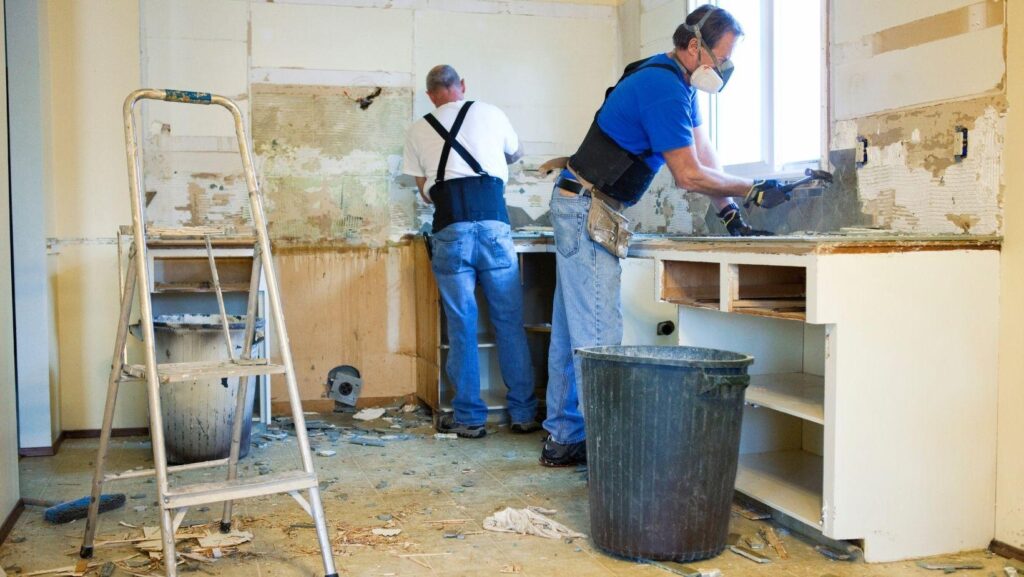
When planning a renovation, visible details like new cabinets, tile, upgraded lighting, and flooring usually get the most attention. But behind every polished kitchen, bathroom, or laundry room is a plumbing system that dictates how well the space functions.
Many plumbing upgrades are hidden inside walls or under sinks. Because they aren't decorative, they are easy to forget—but skipping them can lead to leaks, poor water access, and costly future repairs. Opening walls offers the perfect opportunity to review these overlooked details. From valves to PEX updates, hidden upgrades make renovations reliable and easy to maintain. For practical parts, PlumbingSell.com offers a wide range of fittings, valves, outlet boxes, supply lines, and renovation-ready products for your residential projects.
1. Replace Old Shut-Off Valves Before They Fail
Shut-off valves control the water supply to toilets, sinks, faucets, washing machines, and ice makers. In older homes, these valves often haven't been touched in years. During a remodel, it is common to replace fixtures but leave the old valve in place. While this saves time upfront, it risks future problems. Old valves become stiff, corroded, or fail to turn off completely, making future repairs difficult to control. A smart renovation replaces outdated multi-turn valves with reliable quarter-turn shut-off valves, which provide quick, easy water control. This upgrade is incredibly useful in tight spaces like under sinks or behind toilets where fast access matters most.
2. Upgrade Supply Lines Instead of Reusing Old Ones
Supply lines connect your water supply to faucets, toilets, and appliances. Because they are small and relatively inexpensive compared to larger renovation costs, they are often ignored until they leak. Reusing old supply lines during a bathroom or kitchen remodel is rarely a good idea. Flexible hoses wear out over time, and older connections may not seal properly once removed and reinstalled. Pair new fixtures with fresh, properly sized supply lines. Braided stainless steel lines are ideal for toilets due to their flexibility and durability, while proper sizing is crucial for faucets and appliances to avoid installation delays. Upgrading these lines gives you peace of mind that your new renovation isn't relying on aging parts hidden from view.
3. Add Outlet Boxes for a Cleaner, More Serviceable Setup
Outlet boxes are another highly practical upgrade that homeowners often overlook. They create a clean, organized connection point for appliances and fixtures. Instead of having loose valves and pipes protruding directly from the drywall, an outlet box keeps plumbing connections contained, accessible, and easier to service. They are highly recommended for laundry rooms, where a washing machine outlet box neatly houses hot and cold connections alongside the drain line. Icemaker, toilet, and faucet outlet boxes also create a finished, professional look while reducing future maintenance headaches. Adding an outlet box is significantly easier while walls are still open during a renovation.
4. Update Old Pipe Runs with PEX Where It Makes Sense
PEX has become a popular choice in residential plumbing because it is flexible, easier to route than rigid piping, and suitable for many water supply applications. If old pipes are exposed during a remodel, it is worth checking their condition and layout. Replacing sections with PEX can modernize your system, making it cleaner and easier to connect to modern fixtures—especially in bathroom, kitchen, or basement renovations where lines need rerouting. However, it is vital to use the correct fittings. Mixing PEX-B crimp systems, PEX-A expansion systems, and push-fit fittings incorrectly can cause installation issues. For homeowners sourcing materials, PlumbingSell.com provides practical PEX fittings, valves, and supply lines that support both minor upgrades and major renovations.
5. Plan for Appliance Connections Before Cabinets and Walls Are Finished
Waiting too long to plan appliance connections makes changing plumbing locations much harder once cabinets are installed and walls are closed. Before finishing the space, confirm exactly where every water-connected appliance will go, including washing machines, dishwashers, utility sinks, and refrigerators with ice makers. For instance, a refrigerator water line must be accessible without interfering with the appliance. Washing machines need correctly placed valves, proper drains, and adequate clearance behind the unit. These details might not be exciting, but they heavily affect daily convenience. Proper planning prevents awkward hose bends, hard-to-reach valves, and messy under-sink connections.
6. Do Not Forget Small Fittings, Adapters, and Transition Parts
Renovations often involve connecting new products to older systems, which means small fittings and adapters become surprisingly vital. A new fixture or appliance might require a specific transition fitting, such as an elbow, tee, coupling, threaded adapter, or compression fitting. These small parts are incredibly easy to forget during planning, but they can completely halt an installation if they are missing. It helps to review your existing plumbing before starting the project and list likely connection points, particularly in older homes where pipe materials vary from room to room. A successful renovation ensures all supporting parts work together seamlessly.
7. Think About Future Maintenance, Not Just Installation Day
The best plumbing upgrades aren't always the ones you notice immediately; often, they are the ones that make future repairs easier. Consider these questions: Can the water be shut off quickly? Can the valve be reached without moving a heavy appliance? Are the supply lines easy to inspect? Are the fittings compatible with the system? Every home eventually needs maintenance, and a renovation is the perfect chance to simplify those future tasks. Small, thoughtful choices made during the construction phase will save significant time, stress, and money down the road.
Conclusion
Home renovation improves more than just a room's surface. While finishes create the look, hidden plumbing upgrades dictate the performance. Replacing old valves, installing fresh supply lines, adding outlet boxes, updating pipe runs with PEX, and planning appliance connections make a home safer and easier to maintain. These upgrades may not be what guests notice, but they ensure your remodel lasts. Take the time to review the plumbing behind the scenes before closing walls. A few smart upgrades—supported by parts from a reliable source like PlumbingSell—prevent common problems and help your finished space work perfectly.