
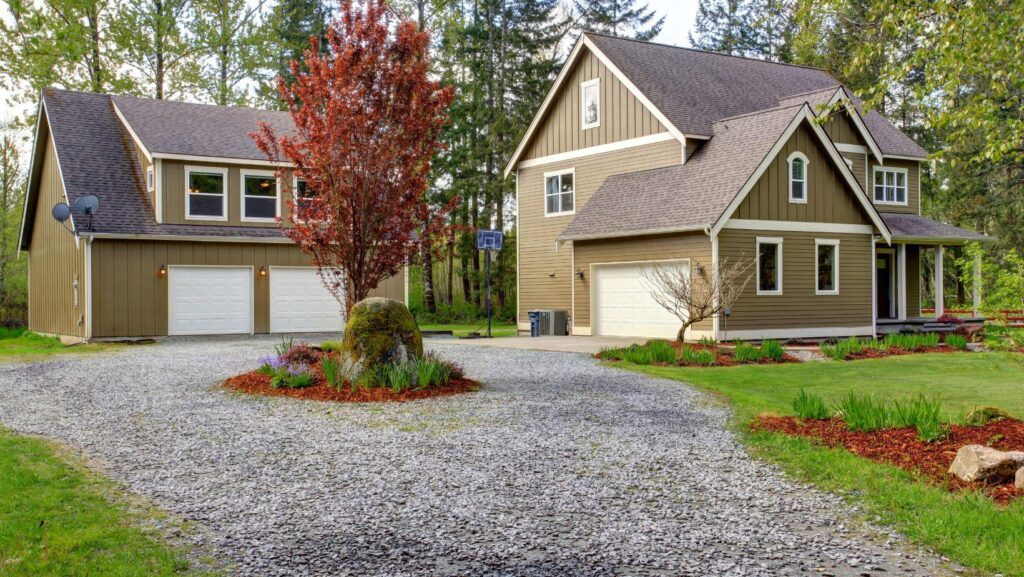
A gravel driveway is one of the easiest ways to improve the look of your home without spending a fortune. It gives your property a clean, natural style and lasts for many years when you build it the right way. But not every driveway stays smooth and strong. Rain, heavy cars, and poor planning can turn a nice driveway into a rough and messy path.
However, you can avoid most of these problems with a few smart steps. When you understand how to choose the right materials and care for your driveway, you save money and effort in the long run.
If you are planning a new driveway or improving an old one, learning about driveway gravel is one of the best places to start.
Why a Gravel Driveway Is a Smart Choice
Many homeowners choose a driveway gravel because it is affordable and practical. It also works well in both rural and suburban areas.
Some of the biggest benefits include:
- Lower installation costs
- Easy repairs
- Excellent water drainage
- Natural look that blends with most landscapes
Unlike solid surfaces that may crack over time, gravel can often be repaired by simply adding fresh material and leveling the surface.
Choose the Right Type of Gravel
Not every type of gravel works well for driveways. Picking the wrong stone can lead to loose rocks and uneven surfaces.
Some common options include:
- Crushed Stone: Crushed stone locks together tightly because of its rough edges. This creates a firm driving surface that holds up well under daily traffic.
- Quarry Process Gravel: This material combines crushed stone with fine dust. Once compacted, it forms a solid base that resists shifting.
- Pea Gravel: Although it looks attractive, pea gravel is round and smooth. The stones move easily, making it less suitable for the main driving surface unless used with proper edging.
Selecting the correct aggregate is one of the most important decisions for a long-lasting driveway.
1. First, Build a Strong Foundation
A strong base layer supports the weight of the vehicles and prevents sinking. If you skip this step, you will soon end up with potholes and uneven areas. More time spent during the installation phase saves money on future repairs.
2. Focus on Good Drainage
Water is one of the biggest enemies of any driveway. Without proper drainage, rainwater washes away gravel, creates muddy spots, and weakens the foundation. Good water control helps prevent erosion and extends the life of your driveway.
3. Compact Every Layer
Loose gravel shifts under vehicle tires. That movement creates bumps, dips, and wheel tracks. Each layer should be properly compacted before adding the next one. A plate compactor or heavy roller presses the stones together, creating a stronger and smoother surface.
4. Install Driveway Edging
Driveway edging keeps gravel from spreading into your lawn or flower beds. It also gives the driveway clean lines that improve the overall appearance of your property.
Popular edging materials include:
- Brick
- Concrete
- Steel
- Natural stone
- Pressure-treated timber
Besides improving curb appeal, edging reduces the amount of gravel you need to replace each year.
5. Keep Up With Routine Maintenance
A simple maintenance routine includes:
- Raking loose gravel back into place
- Fill in low spots early
- Pulling weeds before they take root
- Replenishing with fresh gravel every few years
- Regrading the surface when wheel tracks are visible
These little jobs can keep your driveway surface looking smooth and nice.
6. Control Weeds Before They Spread
Weeds make even a beautiful driveway look neglected. Many weeds grow because dirt and organic matter collect between the stones.
To reduce weed growth:
- Pull weeds while they are small.
- Add fresh gravel when needed.
- Install a landscape fabric under new gravel.
- Keep leaves and soil from building up.
A clean driveway always looks more inviting.
7. Seasonal Care Makes a Difference
Every season brings different challenges. During spring, inspect for erosion caused by rain. In summer, smooth out areas that become loose from heavy traffic. Autumn is the perfect time to clear leaves and debris. During winter, avoid scraping away too much gravel while removing snow.
Seasonal care keeps maintenance simple and prevents larger repairs later.
A Strong Driveway Starts With Smart Choices
Building a durable driveway is not just about pouring down a load of stone. It starts with choosing the right gravel driveway materials, preparing a solid foundation, improving drainage, and keeping up with regular maintenance.
A small repair now can avoid expensive repairs later. Choose quality aggregate, compact each layer, control the water properly, and maintain the surface throughout the year, and you will have a driveway that is attractive, can handle the daily traffic with ease, and will add lasting value to your home for years to come.