
Most renovation problems don’t happen because of poor materials or unreliable contractors. They happen because key decisions are made without a clear understanding of how a space will actually work once it’s finished.
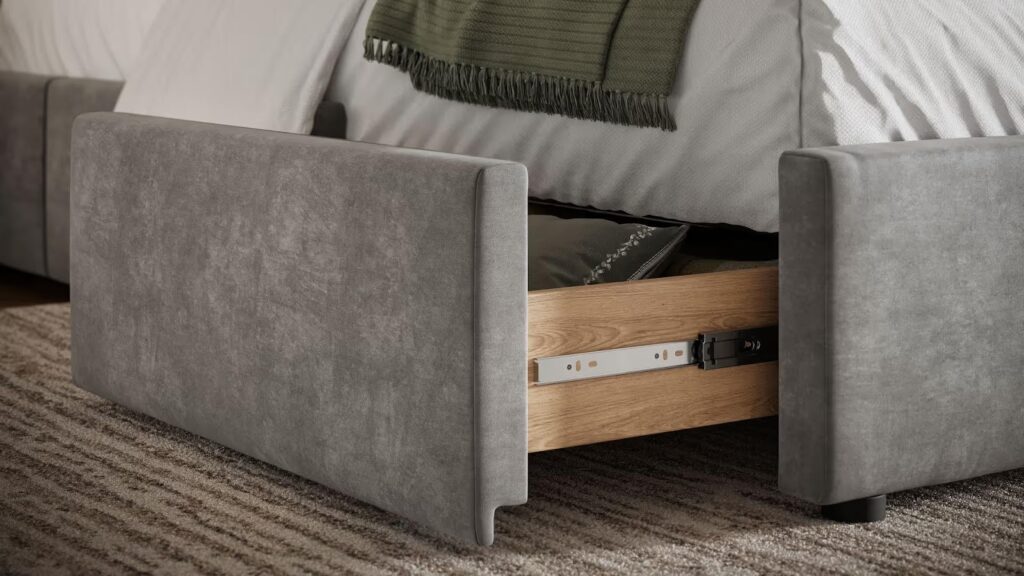
On paper, everything fits. Measurements line up, storage seems sufficient, and layouts look efficient. In reality, drawers collide, walkways feel tight, and storage that looks generous becomes awkward to use. These issues usually appear after the budget is spent — when changes are the most expensive.
That’s why visual planning before renovation is becoming less of a design preference and more of a practical safeguard.
Why Storage Problems Start Before Renovation
At the planning stage, homeowners focus on what they want: more storage, fewer visible items, cleaner spaces. The problem is how these goals are translated into decisions.
Storage is often planned by numbers — cabinet widths, shelf counts, square footage — rather than by use. Common assumptions include:
- believing that more storage automatically means better functionality
- assuming clearances work because measurements technically allow them
- overlooking how doors, drawers, and people move through a space
These assumptions don’t fail immediately. They fail quietly, once the space is in use. By then, walls are built, furniture is installed, and flexibility is gone.
Why Floor Plans Aren’t Enough
Floor plans are essential, but they have limits. They explain dimensions, not experience.
What they rarely communicate well:
- how deep storage affects circulation
- how tall units change the perceived scale of a room
- how multiple elements interact when used at the same time
This gap between drawing and lived reality is where most layout regrets begin — especially in compact homes, open-plan spaces, or rooms with multiple functions.
How Visual Planning Improves Decision Quality
Visual planning adds context to measurements. It allows homeowners to see relationships between elements instead of judging each decision in isolation.
With realistic visuals, it becomes easier to:
- compare layout options before committing
- understand trade-offs between storage and openness
- identify potential issues while changes are still inexpensive
Some homeowners work with designers or a 3D visualization company to preview layouts realistically. The value isn’t visual polish. It’s clear. Seeing the space removes ambiguity and replaces assumptions with informed choices.
Storage Isn’t Just About Volume
One of the most common renovation mistakes is focusing on how much storage a space has rather than how usable that storage is.
Visual planning helps reveal issues that plans alone often hide:
- shelves that are reachable but impractical
- cabinets that block light or interrupt movement
- storage zones that conflict with daily routines
When these problems are visible early, storage can be redesigned to support how the home is actually used, not how it looks on paper.
Practical Examples Homeowners Recognise
Kitchens
A kitchen layout may meet clearance standards and still feel congested. Visual planning highlights pinch points around islands, appliance doors, and corner units that floor plans frequently miss.
Bedrooms
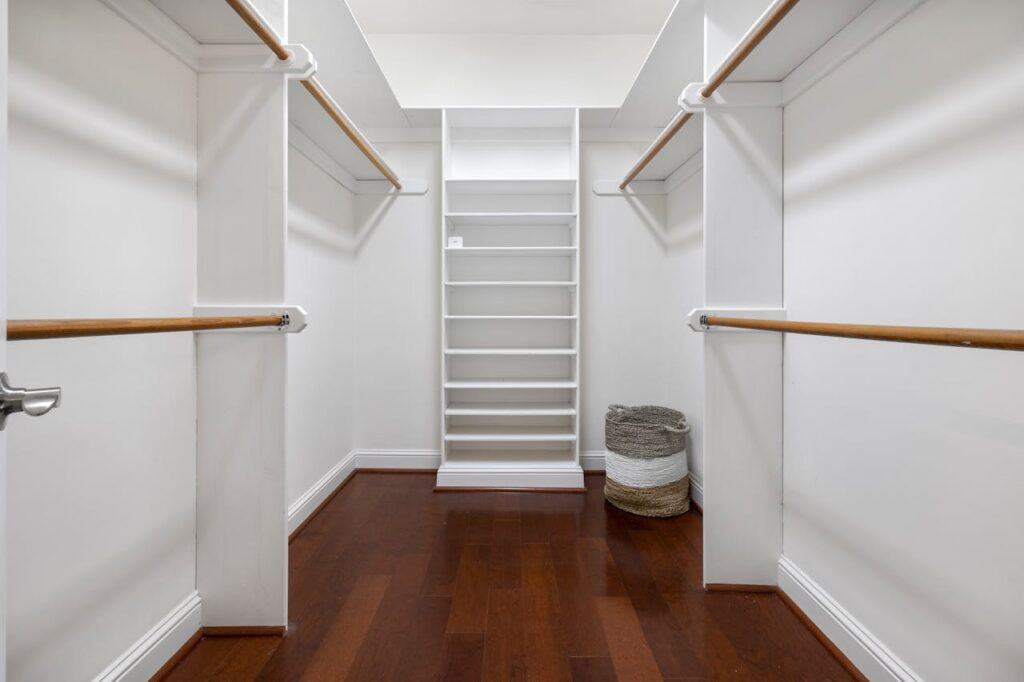
Large wardrobes can be overwhelming in smaller rooms. Seeing their full size helps to balance storage requirements with comfort, light, and circulation.
Living areas
Furniture, storage, and lighting battle for space. Visual previews let you realize which combinations seem open and which cause visual and physical clutter.
Visual Planning for Small and Multipurpose Homes
The expense of planning mistakes increases as a home becomes smaller or more adaptable. Storage selections have an impact on everything in tiny dwellings, including movement, light, and how a room functions throughout the day. Layouts in multi-purpose facilities must allow for work, relaxation, entertainment, and storage without frequent rearranging.
Visual planning is helpful:
- Test how a room functions in various settings.
- Evaluate how storage affects flexibility.
- Avoid layouts that only work in one use case.
This makes it easy to create settings that evolve over time rather than restricting daily use.
Improving Communication With Professionals
Visual planning also facilitates communication. Homeowners frequently struggle to explain what feels “off” about a layout. Professionals may interpret plans based solely on metrics, rather than real experience. Visuals provide a shared reference point, reducing miscommunication.
They help:
- Clarify expectations early.
- Make feedback more exact.
- Resolve issues before they become costly modifications.
This alignment helps projects run smoothly and reduces friction during construction.
Reducing Mid-Project Changes
Late-stage adjustments are a leading cause of remodeling stress and expense overruns. They frequently occur after homeowners notice something doesn’t feel right following installation.
Visual planning lowers this risk by:
- Raising concerns earlier
- Allowing ideas to be tested without commitment.
- Aligning decisions before work starts
When there are fewer modifications midway through a project, deadlines remain predictable and expenses are kept under control.
Planning First Leads to Less Clutter Later
Homes created with clarity age better. When storage is straightforward, there is less need to compensate later with extra units, shelves, or temporary solutions.
Improved planning leads to:
- Fewer impulse storage purchases.
- Layouts that respond to lifestyle changes
- areas that are functional even when trends alter.
Final Thought
Renovation success isn’t about choosing the right finishes or following the latest trends. It’s about making decisions that reflect real life before they become permanent.
Visual planning doesn’t eliminate change, but it moves it to a stage where change is easy, affordable, and low-risk. In a process defined by irreversible choices, seeing the outcome in advance turns renovation from guesswork into control.