
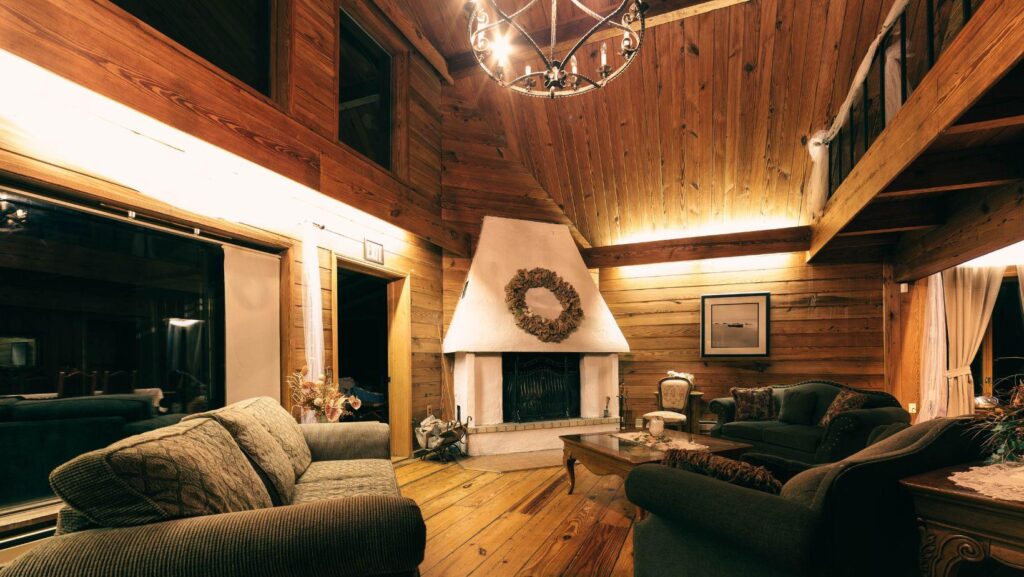
Light dictates the production of melatonin and cortisol in your brain, meaning a poorly lit room can actively drain your daily energy or disrupt your evening rest. If you have ever wondered, ‘How Does Lighting Change the Way Your Home Feels?’, the answer stretches far beyond basic visibility. Light shapes the physical scale of your rooms, alters your mood, and shifts your home from a high-energy workspace to a peaceful sanctuary. Follow this definitive guide to master the sensory power of illumination.
The Ambiance Mapping Matrix (Color Temperature vs. Mood)
|
Light Temperature |
Color Spectrum Profile |
Psychological Impact |
Best Room Application |
|
2200K – 2700K |
Warm Amber / Candlelight |
Calming, intimate, induces sleep |
Bedrooms, living rooms, and reading nooks |
|
3000K – 3500K |
Warm Soft White |
Welcoming, clean, balanced |
Kitchens, dining spaces, entryways |
|
4000K – 5000K |
Crisp Cool Daylight |
High-focus, energizing, sharp |
Home offices, workshops, vanity mirrors |
1. Alter Room Proportions and Visual Scale
Lighting creates an optical illusion of interior geometry. A room with dark corners naturally shrinks, making the architecture feel small and restrictive. Conversely, washing your surfaces in strategic light instantly expands your sightlines.
To make a low ceiling feel towering, utilize uplighting, such as floor-mounted torchieres or wall sconces that cast light upward. This draws the eye toward the ceiling, creating an airy, expansive feeling. To make a narrow, long hallway feel wider, point adjustable track lights directly at the opposing walls rather than casting pools of light straight down onto the floor.
2. Introduce Flexibility with Advanced Cordless Technology
Historically, placing light exactly where you needed it for ultimate comfort required an ugly web of tangled extension cords running across your floors, or hiring an expensive electrician to cut open your drywall.
Modern lighting design favors cordless mobility to adapt spaces instantly to your changing needs. For cozy seating arrangements, desk layouts, or dark architectural corners, a convenient floor lamp rechargeable setup for reading corners provides total placement freedom without any cord clutter. These high-end, battery-powered fixtures allow you to reposition a beautiful glow directly behind an armchair or alongside a standalone bathtub, instantly shifting that specific zone into a luxurious, high-end resort escape.
3. Balance the Three Essential Layers of Illumination
A major reason a room can feel cold, institutional, or uninviting is a reliance on a single, blazing overhead light source. Truly beautiful spaces use a balanced, three-tiered lighting strategy:
- Ambient Light: This is your base layer of general illumination, typically delivered via recessed ceiling fixtures, chandeliers, or natural sunlight through windows.
- Task Light: Focused, high-intensity beams engineered for specific close-up tasks, such as under-cabinet LED strips for chopping vegetables or a flexible desk lamp for writing.
- Accent Light: The artistic layer used to highlight beautiful textures, artwork, or structural details, such as picture frame lights or back-lit shelving grids.
Harsh Overhead Illumination vs. Layered Lighting
|
Atmosphere Attribute |
Singular Overhead Center Fixtures |
Balanced Three-Tiered Layered Approach |
|
Visual Shadow Profile |
Harsh, deep vertical shadows under the eyes and nose |
Soft, diffused illumination that flatters features |
|
Perceived Room Size |
Shrinks corners; highlights the ceiling center |
Expands borders; highlights the entire perimeter |
|
Flexibility Continuum |
Rigid binary control (On or Off) |
Modular control matches energy levels through the day |
|
Aesthetic Depth |
Flat, clinical, institutional energy |
Rich, warm, cozy, and highly architectural |
4. Sync Your Home’s Biological Rhythm (Circadian Matching)
To unlock the ultimate secret to lighting that changes how your home feels, your lighting choices must adapt to the specific time of day.
Flooding your living room with cool, bluish-white light at 9:00 PM mimics the midday sun, tricks your brain into halting melatonin production, and leaves you tossing and turning in bed hours later. As the sun sets outside, consciously transition your home’s lighting downward. Turn off bright overhead fixtures and rely entirely on warm, low-level lamps sitting at or below eye level to ease your nervous system into deep relaxation.
5. Accentuate Materials and Textures
Light interacts uniquely with different physical textures in your home. When light hits surfaces at a direct angle, it can either flatten the design or create stunning physical depth.
If your living room features a rugged brick fireplace, a rustic wood feature wall, or a textured plaster finish, use a technique called “wall grazing.” Position linear LED accent fixtures close to the wall surface to bounce light down across the materials. This creates soft, dramatic micro-shadows that emphasize the organic beauty and craftsmanship of your home.
The Evening Ambiance Reset
To easily apply these rules on Change the Way Your Home Feels to your own living spaces tonight, execute this simple three-step lighting audit:
- Ditch the Center Bulb: At 7:00 PM, turn off your main overhead ceiling lights completely.
- Activate Lower Lamps: Turn on three separate lower-level light sources around the perimeter of the room, such as a cordless floor lamp, a table lamp, and low bookcase accent lighting.
- Check Your Color Warmth: Walk around and check your light bulbs. Replace any bulbs that look bright white or blue with warm-tinted LED options (labeled 2700K or lower) to create an instant sense of welcoming calm.
Frequently Asked Questions
1. What does the “K” rating on a light bulb box mean?
The “K” stands for Kelvin, which measures the color temperature of a light source. Lower numbers (2200K–2700K) deliver a warm, golden, candle-like glow perfect for relaxation. Higher numbers (4000K–5000K) create a crisp, cool white light that mimics midday sun, ideal for high-focus tasks and home offices.
2. How do dimmers change the mood of a room?
Dimmers are one of the most affordable and impactful upgrades you can make to your home. They give you total control over the intensity of your lighting, allowing a multi-purpose space like a dining room to transition instantly from a bright, high-energy homework zone to an intimate, dimly lit dinner setting.
3. Where should task lighting be placed in a kitchen?
Task lighting should always be installed directly between your body and your work surface. Placing LED strip lights under your upper cabinets perfectly illuminates your countertops, ensuring your head and shoulders don’t cast annoying shadows over your prep space while you’re cutting or reading recipes.