
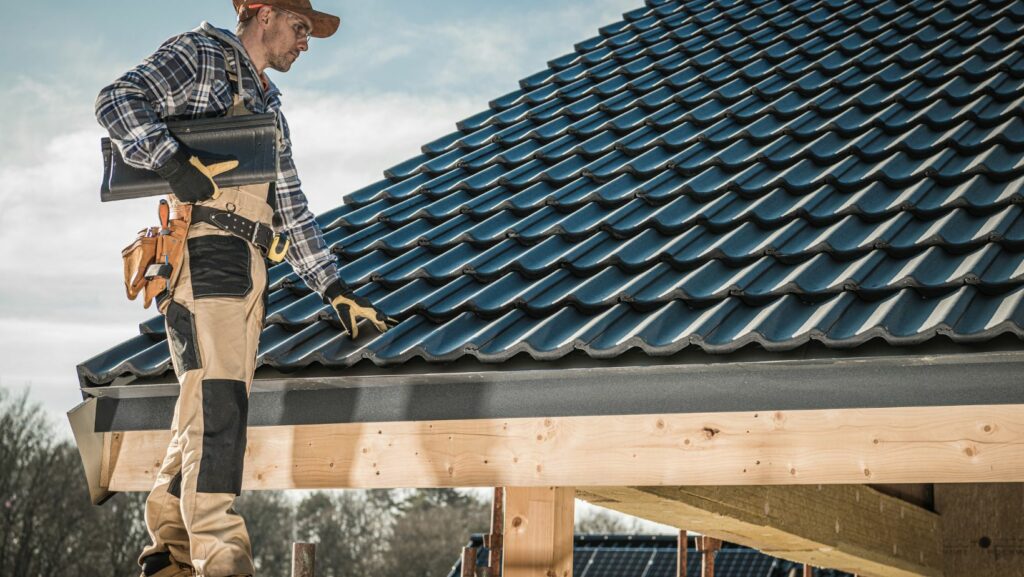
Roof inspections are a crucial part of maintaining the integrity and longevity of any roofing system. They help identify potential issues before they become costly repairs, ensuring that a building remains protected from weather elements and structural damage. However, not all roofs are created equal, and the inspection process can vary significantly depending on the type of roofing material. Asphalt shingles and metal roofs are two of the most common roofing options, each with unique characteristics that influence how inspections should be conducted. We will explore how roof inspections differ between these two materials, highlighting the important factors to consider for each type and the methods used to evaluate their condition effectively.
Key Differences in Inspecting Asphalt Shingle and Metal Roofs
- Material Vulnerabilities and Common Issues
Asphalt shingles are composed primarily of a fiberglass or organic mat coated with asphalt and mineral granules. Because of their material composition, they are susceptible to damage from UV rays, temperature fluctuations, and physical impact, such as hail or falling branches. Over time, shingles can curl, crack, lose granules, or even become brittle, which compromises their protective function. During an inspection, particular attention is paid to these signs of wear, as well as to missing shingles or areas where the shingles are lifting, which can allow water infiltration.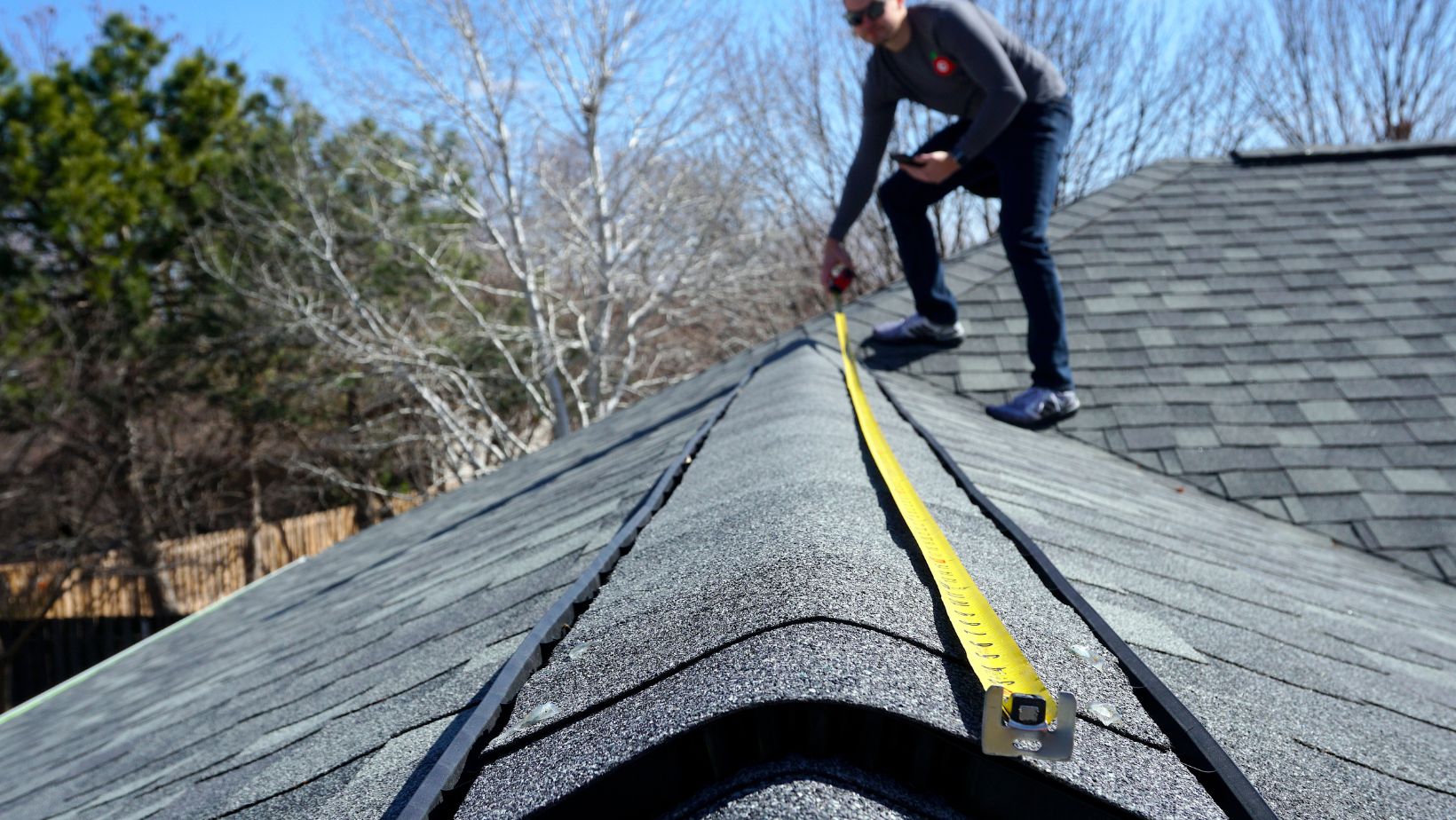
In contrast, metal roofs are made from steel, aluminum, copper, or other metals, often coated with a protective finish to resist corrosion and wear. While metal roofs are generally more durable and longer-lasting, inspections focus on different concerns. These include checking for rust spots, scratches that penetrate the protective coating, loose fasteners, and issues with seams or panels that might allow water to seep underneath. Because metal expands and contracts with temperature changes, inspectors also look for signs of metal fatigue or movement that could loosen attachments or cause warping. A Local Roofer in Kansas City is well-versed in identifying these specific issues to ensure the metal roof remains secure and functional over time.
- Inspection Techniques and Tools
When inspecting asphalt shingle roofs, visual examination from the ground using binoculars can identify some problems, but getting on the roof is often necessary for a thorough inspection. Inspectors look closely at shingles’ surface texture, granule loss, and any blistering or curling. They also examine flashing around chimneys, vents, and skylights for signs of deterioration or gaps. Infrared thermography may be used in some cases to detect moisture trapped under the shingles, indicating leaks that are not visible to the naked eye.
Metal roof inspections often require a more tactile approach. Since scratches and coating damage can be subtle, inspectors may run their hands over the surface to feel for inconsistencies or raised seams. The condition of sealants used in lap joints and around penetrations is carefully evaluated to prevent water ingress. A key aspect is checking the integrity of fasteners, as missing or loose screws can allow panels to shift and create leaks. Metal roofs often require fewer invasive inspection techniques but demand precision in identifying small issues before they worsen.
- Frequency and Timing of Inspections
The frequency of inspections can differ depending on the roofing material’s durability and environmental exposure. Asphalt shingle roofs typically require more frequent inspections, especially as they approach the middle or later stages of their 20-30 year lifespan. Inspections are often recommended annually or after severe weather events such as storms or heavy winds, which can accelerate shingle wear or cause immediate damage.
Metal roofs, known for their longevity, often exceeding 50 years, may not need as frequent inspections in the early years, but regular checks are still important to maintain protective coatings and fasteners. Given their resistance to many common roof problems, inspections might be scheduled every two to three years unless specific issues arise. However, following significant storms or unusual weather patterns, metal roofs should also be checked promptly to address any damage caused by debris or impact.
- Signs of Wear and Damage
The visible signs that inspectors look for also vary by roof type. For asphalt shingles, granule loss is a critical indicator of aging. As shingles lose their granules, their ability to protect against UV rays diminishes, and the shingles can deteriorate more quickly. Curling or buckling shingles suggest moisture absorption or aging, while cracked or missing shingles often point to physical damage or poor installation. Water stains on the underside of the roof deck or in the attic also suggest leakage that may be linked to shingle failure.
On metal roofs, rust or corrosion is the most apparent sign of trouble. Inspectors watch for discoloration or bubbling paint that may indicate the metal underneath is deteriorating. Loose or missing fasteners can cause panels to shift and allow water to penetrate, leading to rust spots or water damage inside the building. Dents or scratches caused by hail or falling objects might not only be cosmetic issues but also weaken the metal’s protective coatings, requiring repair. Sealant degradation or cracking around seams and penetrations is another key sign that maintenance is needed.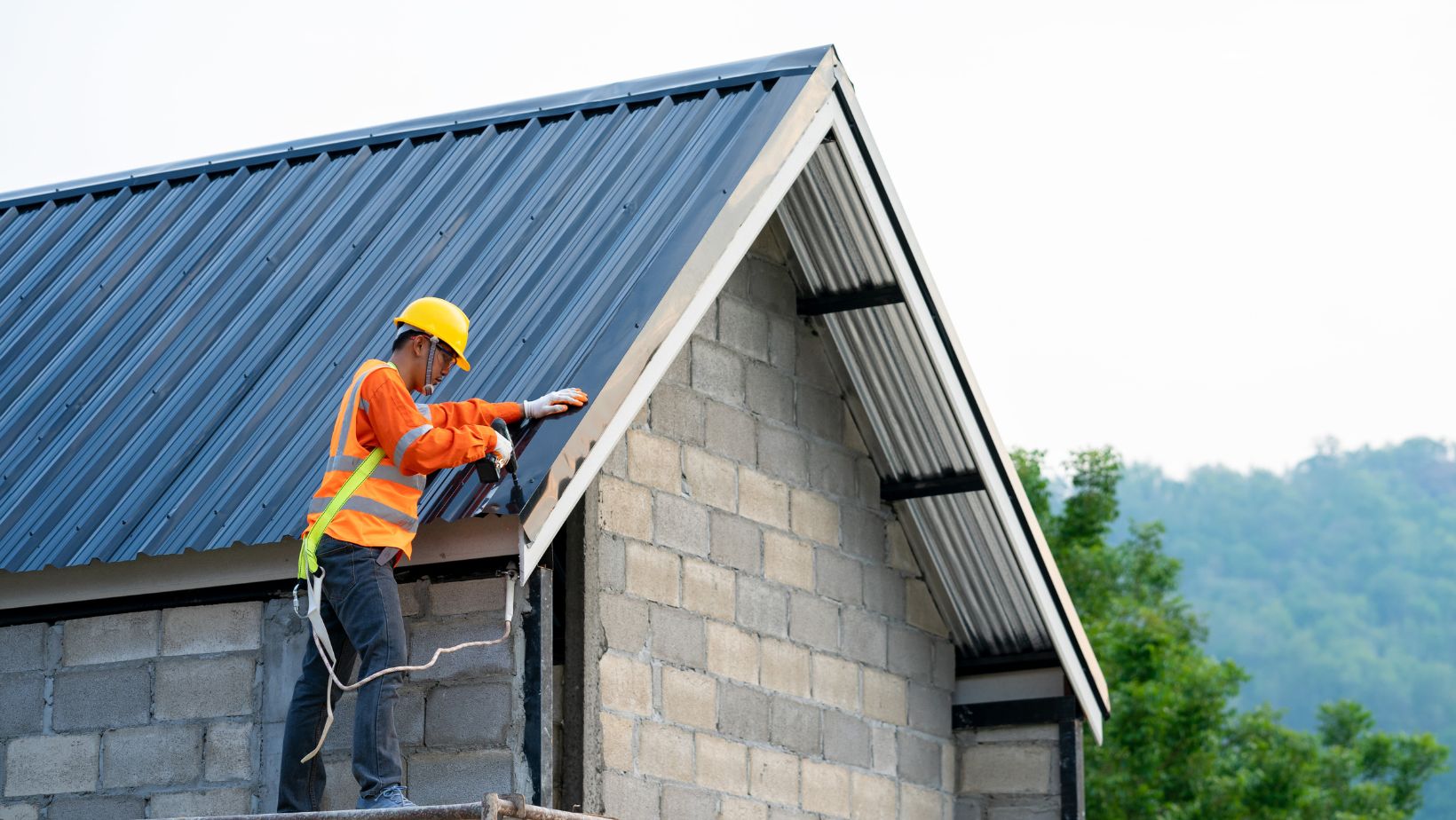
Roof inspections for asphalt shingles and metal roofs differ considerably due to the unique properties and vulnerabilities of each material. Asphalt shingle roofs demand more frequent and detailed inspections focused on granule loss, shingle integrity, and flashing condition, while metal roofs require careful assessment of fasteners, coatings, and seams to prevent corrosion and leaks. Understanding these differences allows for more effective maintenance strategies and helps extend the life of the roof, protecting the overall structure beneath. Whether a home or commercial building has asphalt or metal roofing, adapting inspection techniques to the specific needs of the material ensures ongoing protection and minimizes the risk of costly repairs.