
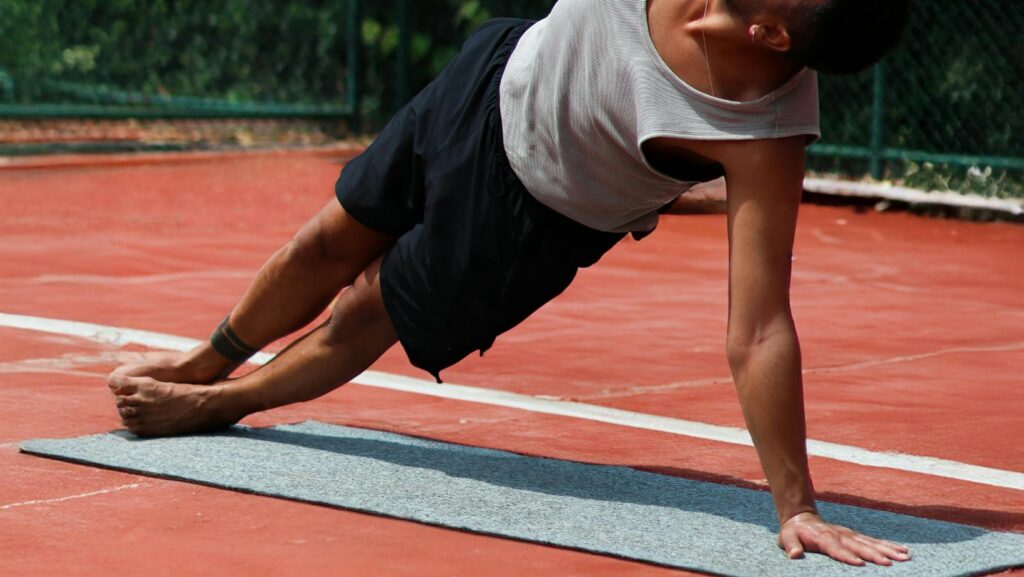
Many NFL players take their training and recovery seriously, often designing outdoor spaces at home that allow them to work out, recover, and relax without stepping inside a gym. These backyard training environments range from simple setups with functional fitness equipment to elaborate landscapes complete with turf areas, sled tracks, and recovery zones. While few of us have the budgets or space of an NFL MVP player, there are principles behind these designs that anyone can apply at home to enhance fitness and wellbeing. Here is a look at how some NFL stars have transformed their outdoor settings and how you can implement similar ideas.
Derrick Henry: Functional Strength and Sprint Areas
Derrick Henry is known for his powerful running style and explosive speed. To support this, he has invested in outdoor training spaces that allow for sprinting, acceleration drills, and resisted running. His backyard features artificial turf, cone setups, and sled tracks that mimic the demands of football practices.
You do not need acres of space for sprint and agility training. Lay down a short stretch of turf or use existing lawn space to set up cones for shuttle runs, lateral agility drills, or short sprints. A portable resistance sled or a simple parachute can add intensity. Focus on drills that improve explosive starts and quick changes of direction. All you need is a patch of grass or driveway space and a few affordable tools to start.
Travis Frederick: Recovery-Focused Outdoor Oasis
Travis Frederick of the Dallas Cowboys has invested heavily in recovery infrastructure. His outdoor space includes a cold plunge pool, stretching areas, and shaded rest spaces where he can move between workouts and recovery. Frederick emphasizes mobility, stretching, and contrast therapy in his routine.
While not everyone can install a cold plunge, you can create a recovery corner in your backyard. A simple inflatable cold tub or even routine cold showers can benefit muscle recovery. Add a shaded patio or pergola with yoga mats, foam rollers, resistance bands, and massage tools. Incorporating plants or a small water feature can make the space inviting and calming, encouraging you to spend more time focusing on mobility and flexibility after workouts.
Christian McCaffrey: Agility and Multifunction Outdoor Space
Christian McCaffrey’s outdoor training setup includes a multifunctional area where he can run routes, perform plyometric exercises, and do agility work. His space has enough room for cones, ladders, and resistance bands, allowing for a full spectrum of football-related conditioning.
Transform a section of your backyard or nearby park into a multifunctional fitness area. Lay an agility ladder on the ground for footwork drills. Set up cones for change of direction training and keep a set of resistance bands on hand for strength work that complements bodyweight exercises. This kind of space encourages varied training rather than repetitive routines.
Aaron Donald: Strength and Resistance Work Zone
Defensive tackle Aaron Donald is one of the most dominant players in the NFL, and his outdoor space reflects a focus on strength and resistance training. His backyard setup includes heavy resistance bands, a tire flip zone, and space for weighted sled pushes. Strength work is integral to his routine, and having an outdoor space for these drills helps him train on his time.
You do not need to replicate a pro athlete’s strength area exactly to benefit. Large tires or resistance bands can be surprisingly affordable tools for strength work. You can also use kettlebells, sandbags, or even a heavy backpack weight added to bodyweight exercises. Set aside a corner of your yard or patio where you can safely perform squats, lunges, band-resisted movements, or sled pushes against sandbags or weights.
J.J. Watt: Outdoor Calisthenics and Functional Fitness
J.J. Watt created an outdoor training environment focused on functional movements and calisthenics, blending strength with movement. His yard includes pull-up bars, rings, suspended straps, and open space for bodyweight workouts and plyometrics.
Building a basic calisthenics area at home is one of the most affordable options on this list. A sturdy tree branch or garage pull-up bar can serve as the anchor for rings and straps. Use bodyweight movements like pushups, dips, lunges, and pistol squats as your mainstay exercises. Small investments in portable equipment like resistance bands, parallettes, or a jump rope expand your training options without demanding a lot of space.
Dalvin Cook: Outdoor Mobility and Stretching Zone
Dalvin Cook’s outdoor training emphasizes mobility and stretching, especially as he works to stay durable throughout long seasons. His space includes yoga mats, foam rollers, and balance tools like stability balls and Bosu trainers to support joint health and flexibility.
Creating a mobility corner is both simple and beneficial. All you need is a stable surface and basic tools like yoga mats, foam rollers, and stretching straps. Use this space to warm up before workouts and cool down afterward. Incorporating daily mobility habits helps reduce injury risk and improves overall performance.
How to Build Your Outdoor Training Space
No matter your budget, you can design an outdoor space that supports your fitness goals by following these steps:
- Define Your Priorities:
Decide whether your focus is strength, speed, agility, recovery, mobility, or a combination. - Use What You Have:
Even a small patio or driveway can be an effective training area. Grass, concrete, or turf work if you plan your drills accordingly. - Start Small:
Begin with essential equipment such as resistance bands, cones, a jump rope, and a mat. Add items like sleds or tires as your budget allows. - Create Zones:
Designate areas for different purposes, such as sprinting, strength work, and recovery. This helps keep your workouts organized and efficient. - Make It Comfortable:
Add shade, seating, or outdoor lighting to make your space welcoming. A pleasant environment encourages consistency.
Benefits of Outdoor Training Spaces
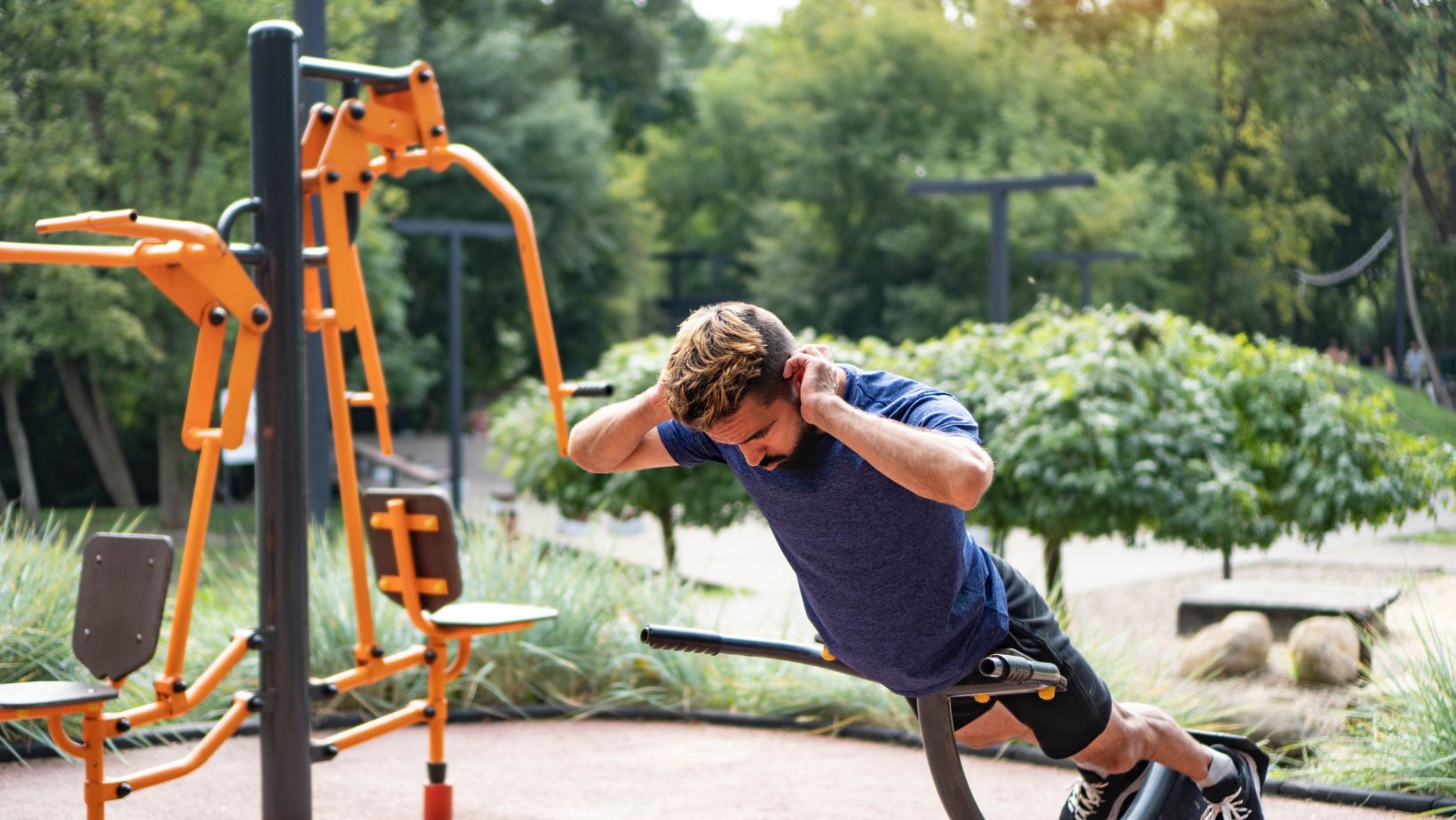
Designing a training space at home offers multiple advantages:
- Convenience: You can work out whenever your schedule allows.
- Consistency: Fewer barriers between you and your fitness goals.
- Fresh Air: Outdoor training is linked to improved mood and motivation.
- Customization: Build your space around your specific goals and preferences.
NFL players push the limits of athletic performance, and many have designed outdoor spaces at home that help them train, recover, and stay at their best. While professional athletes have larger budgets, the principles they use can be applied by anyone. With intentional planning and creativity, you can build a backyard training area that supports strength, speed, mobility, and recovery. Emulating the training environments of top pros might help you stay motivated and reach new levels in your own fitness journey.