
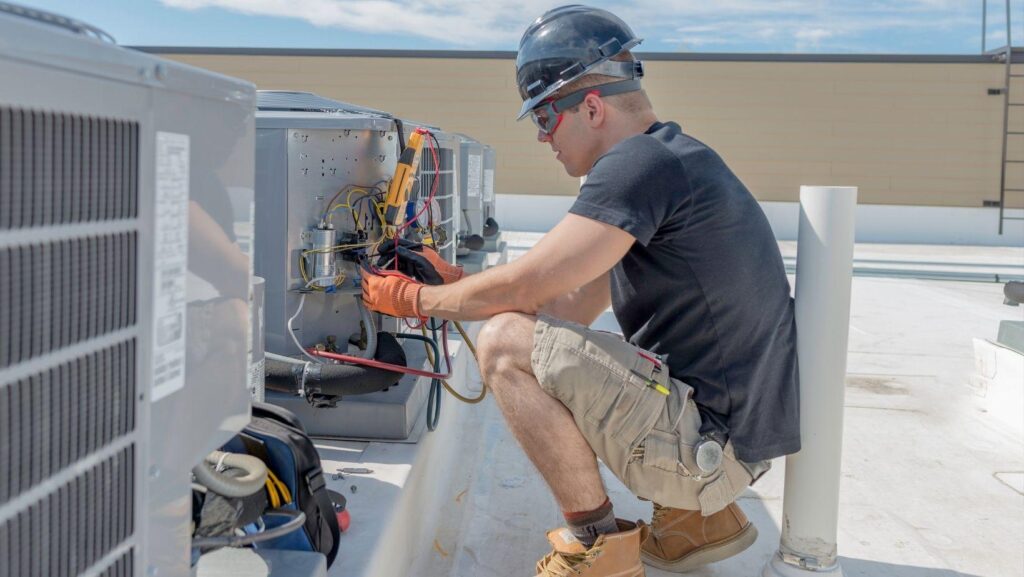
When an HVAC system malfunctions, people often try to fix it themselves or make temporary repairs to restore proper operation. This, however, does not apply in all cases. Sometimes, certain telltale signs of HVAC problems indicate the need to seek professional assistance from HVAC contractors. Such measures can result in more harm than good because they will only cause more damage, and you will have to spend even more money in the end. It is important to know when to contact HVAC contractors to repair a system, as they can identify the underlying causes of these issues and fix them once and for all.
Knowing When to Call a Professional
Persistent Issues Despite Quick Fixes
In case the problem persists even after having attempted to resolve it on your own, or if you contacted an expert to do a fast fix for it, then the chances are high that you are dealing with another underlying problem. This is because the problem may have several underlying factors, making it difficult to sort out. For instance, if the unit still runs poorly after changing the filters, adding refrigerant, or cleaning the coils, then there is another hidden problem.
In cases like this, AC repair in Humble, Texas, may be necessary to diagnose and address the root cause properly. A professional HVAC contractor has the training to diagnose these complex issues, whether they involve electrical components, ductwork, or internal system malfunctions, and can provide the right solution to ensure your system operates efficiently and reliably. Without a comprehensive diagnosis, repeated short-term fixes will only delay the inevitable breakdown.
Unusual Sounds or Smells
Unusual sounds and smells from the HVAC equipment are another sign that the problem is far more serious than a minor malfunction. Sounds such as squeaking, grinding, and banging usually indicate loose components, a defective motor, or an obstruction in the equipment. This usually means that the equipment is working hard or that some parts have already worn down. Meanwhile, unusual smells, such as burning, musty, or gas, can indicate severe problems with the system. Burning smells are associated with overheated components or wires, and musty smells indicate that mold or bacteria are growing inside the equipment, which can affect the quality of the air inside the house. Lastly, a gas smell indicates a dangerous gas leak, which should be addressed as soon as possible.
Poor Airflow and Temperature Inconsistency
When you feel that some rooms in your house tend to be either too hot or too cold, or when you notice weak airflow from the vents, it means that the HVAC system in your house is not functioning properly. Though making minor changes to the temperature settings or even cleaning the vents might seem like a good idea, inconsistent temperatures could indicate a problem with the system. Some reasons your home has temperature differences include a blocked duct, a blower motor issue, or an inappropriate HVAC system for your home. HVAC experts can perform an inspection to determine whether your system provides even air distribution.
Rising Energy Bills
One early sign of an inefficient HVAC system is a rise in your utility bills. This might happen because the equipment has to work harder to keep your home at the required level of warmth or coolness. While minor losses in efficiency are quite normal, drastic changes in the amount of energy required for operation suggest something is wrong with the system. In any case, the best thing you can do is to contact an HVAC specialist who will examine and repair your equipment. By conducting timely maintenance, replacing outdated parts, and making necessary adjustments, an expert will help you to lower your utility bills and increase the efficiency of your HVAC system.
Frequent Cycling On and Off
If your HVAC system is cycling on and off, or short-cycling, frequently, this is a serious warning sign. There are various reasons for short cycling, such as a unit that is too large, dirty filters, or a problem with the thermostat. With the unit cycling on and off so quickly, it cannot maintain the preferred temperature, forcing it to work harder than necessary. This means the parts in the unit will experience greater stress, reducing the unit’s lifespan. If you notice that your HVAC unit is constantly cycling on and off, you should call an HVAC contractor to check it.
The Age of Your System
The age of your HVAC system will make a major difference in determining whether it can be repaired quickly or if a replacement is needed. Generally, a good HVAC system lasts about 10 to 15 years, depending on how well you use it. When you get close to that age range, and your system needs lots of fixes, it might actually pay off to replace it rather than continue trying to fix it. The older the system gets, the less effective it becomes, and finding replacement parts can also be harder and more costly. An HVAC professional can help you determine whether your system should be repaired or replaced by considering its age and condition.
It is essential to know when to seek professional help when dealing with problems with your heating, ventilation, and air conditioning system. Some indicators include persistent problems with your system, unusual sounds from the unit, foul odors from the system, inadequate airflow, high utility bills, and excessive heating and cooling cycles. Dealing with these challenges on your own can cause significant damage to your unit and incur additional repair costs later. By contacting an HVAC technician, you can have your system professionally inspected and repaired.