

A generous sofa promises unparalleled comfort, a sprawling landscape for family movie nights, lazy Sunday afternoons, and sprawling conversations. Yet its arrival can feel like an invasion, disrupting a room’s balance and flow. The challenge isn’t to hide this substantial piece, but to celebrate its presence, making it feel like an innate part of your living environment. Successfully integrating a large seating element requires a shift in perspective, viewing it not as furniture, but as the room’s foundational anchor.
Choosing Your Room’s Centerpiece
Before anything else, consider the sofa’s fundamental role. Is it purely for lounging, or must it serve dual purposes? Perhaps versatile sofa beds could accommodate overnight visitors without sacrificing daily comfort. Their scale should relate to your room’s proportions; a vast, low-profile model suits a modern space with high ceilings, while a tall, rolled-arm design feels appropriate in a traditional setting. This initial decision about form and function sets the stage for all other design choices, ensuring the piece earns its visual weight.
Strategic Placement for Flow
Resist the instinct to push all furniture against the walls. A large sofa often performs best when floated in the room’s center, defining the main conversation area. This creates a natural walkway behind it, improving circulation and making the space feel larger. Ensure there’s adequate clearance for movement, generally about three feet of passage space is ideal. An alternative approach angles the sofa slightly in a corner, which can soften its boxy silhouette and create a more dynamic, inviting arrangement.
Building a Cohesive Seating Group
A solitary giant can appear stranded. Balance its mass with complementary pieces that create intimate groupings. A pair of slender armchairs opposite the sofa fosters dialogue. A long, low bench or a set of upholstered ottomans can provide additional flexible seating that doesn’t block sightlines. The goal is to build a constellation of furniture around your central anchor, ensuring every seat feels connected and the overall composition feels intentional, not just a collection of disparate items.
Layering Textures and Tones
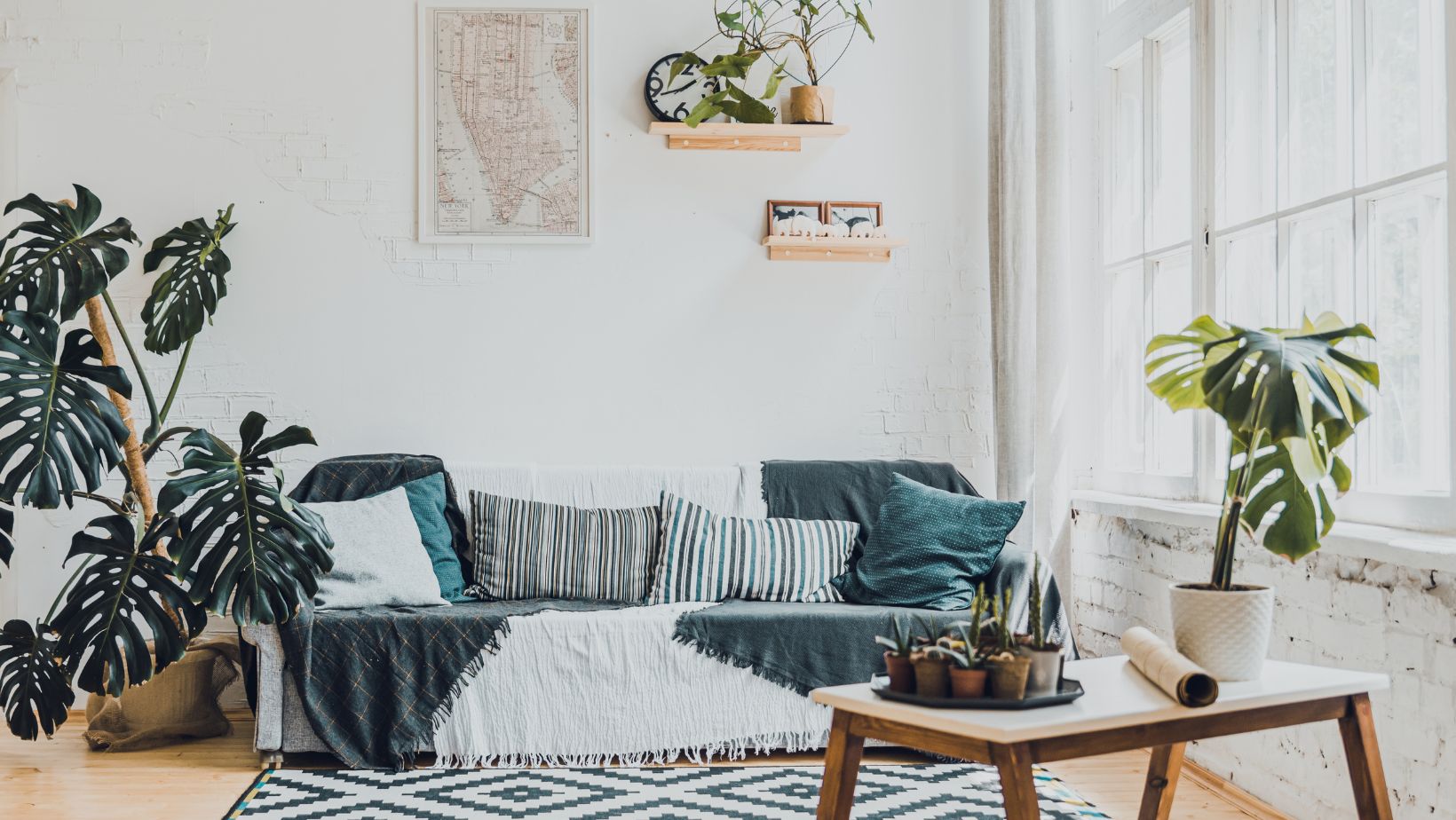
A monolithic block of one fabric can feel heavy. Introduce visual lightness through layered textiles. Drape a chunky knit throw over one corner and arrange linen and velvet pillows in coordinating, but not perfectly matching, colors. This breaks up the sofa’s vast expanse, adding depth and a sense of lived-in comfort. Choose materials that invite touch, creating a tactile experience that enhances the feeling of relaxation and warmth.
Anchoring the Entire Arrangement
A large seating piece demands a properly scaled foundation. An expansive area rug should be big enough for the sofa’s front legs and all accompanying chairs to rest comfortably upon it. This “grounds” the entire grouping, unifying the separate elements. Overhead, a statement light fixture, a wide pendant or a linear chandelier, can mirror the sofa’s length, drawing the eye upward and establishing a vertical relationship that enhances the room’s overall harmony.
Creating Purposeful Pathways
Pay close attention to how people move around your new centerpiece. Clear, unobstructed aisles on either side prevent the room from feeling like an obstacle course. A slim console table placed behind the floated sofa offers a perfect surface for lamps and decor while further defining the pathway. This thoughtful consideration of circulation ensures the room remains functional for daily life, proving that a substantial furniture item can coexist beautifully with easy movement.
The Final Layer: Personal Touches
Ultimately, the goal is to make this large object feel inherently yours. A curated stack of art books on the nearby coffee table, a personal gallery wall above, or a favorite ceramic vase on an end table infuses the space with character. These elements distract from the sofa’s sheer size by telling a story. When the piece is surrounded by personal artifacts and balanced with thoughtful companion furniture, it ceases to be a dominating monolith and becomes the welcoming, comfortable heart of your home it was always meant to be.